What’s New:
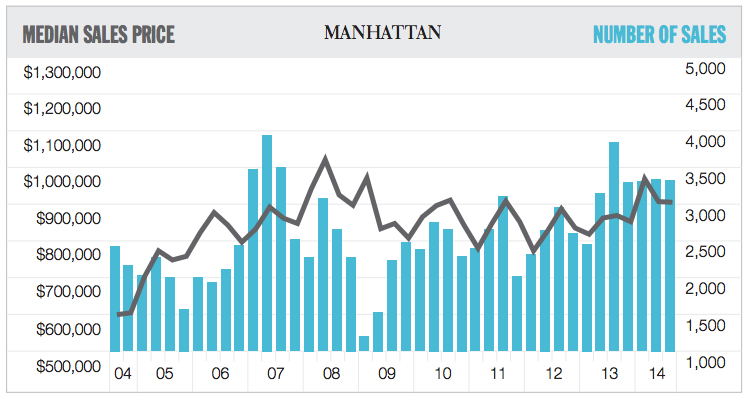
The Market You’re Selling Into – Cold, Hot or Neutral? 1 of 4
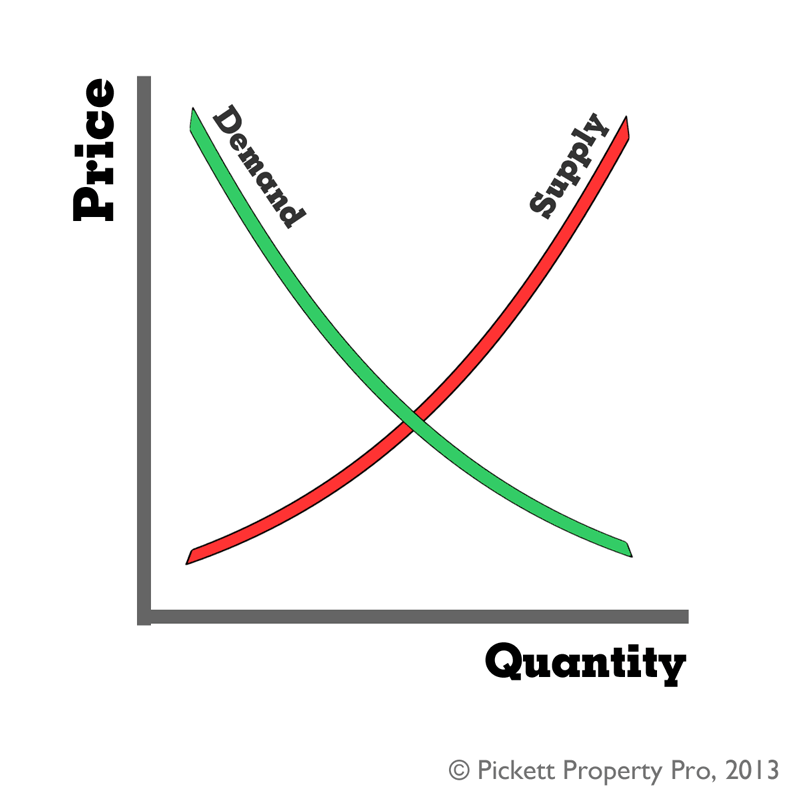
The real estate market, like every other financial market, is strictly governed by the laws of supply and demand. Less inventory and more buyers make for faster sales, while more inventory and fewer buyers make for slower sales. When you’re selling your home, external factors often count as much as the physical property itself. What follows are some other considerations to factor into your ideal price:
Are you in a buyer’s market, a seller’s market or a neutral market?
What time of year is it?
What kind of real estate inventory is out there already?
What are interest rates doing?
First, the differences between buyer’s, seller’s and neutral markets are very clearly defined.
Location: 3 of 3
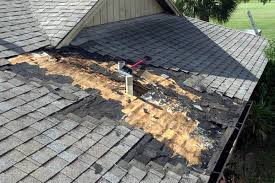
Last, but not least, in the home improvements price tweaking category is to view your property the way your buyer’s home inspector will. Don’t wait until the home inspector gives your buyer the down and dirty of everything that needs to be repaired immediately. If your roof is about to go, own up to it and adjust your price. Similarly, if your Dutch Colonial’s foundation is beginning to crumble and the comp up the street is in mint or near-mint condition, own it now. It will look a lot better to your buyer to see you acknowledge what needs to be done and let them know the price has been adjusted accordingly, than to pray they don’t notice and have them feel betrayed when the building inspector spells it all out for them.
Location: 2 of 3

Other, less tangible factors that might differentiate your property price-wise abound. Look at the features that are the most attractive to potential buyers. Does your home feature tons of closet space? Offer all new, high-end kitchen appliances? Do you have central air, while the comps only have wall units? Is your home gas heated, while the comps are baseboard electric? Buyers will note all these costs of running and maintaining their next home as they look at your property so, again, learn to see your property with a buyer’s eyes. This may even be a time to make some quick, but cost-effective improvements, like removing dated wallpaper and replacing it with neutral paint, taking down heavy window treatments and replacing them with attractive blinds to open up the space, or converting an extra room to a home office, since home offices are much in demand. Even relatively minor tweaks to your property like these can increase the initial offers you receive. When you’ve spent a few hours or even weekend thinking like a buyer, you’ll be in a much better position to appraise the actual value of the improvements you’ve made with a cool head.
Location: 1 of 3

You’ve heard it forever and it’s true, “Location, location, location!” Be sure to factor the following location-related features into your prices. Are you on a higher floor, which is more desirable? Does the one block difference between your address and that of one of your comps put you in a better school district? (In some major cities, different sides of the same street can be in different school districts, so do your homework!) Do you have water views or over look the park? And, finally, is your property easily accessible? Are thruway entrances nearby if you commute? Are subway entrances nearby? All of these location-related features can up your price.
Go Shopping For Your House
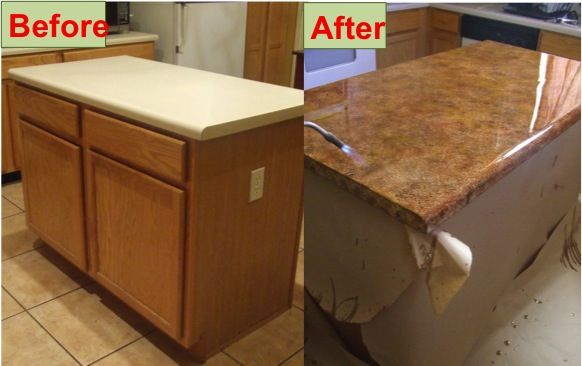
You may also want to consider taking the time for a boots on the ground approach to this process, by putting on your buyer’s shoes and going out to look at properties in your price range. Pay attention to what your potential buyer can get for the price. Be sure to note what the fine points of a property are—whether it’s a level, landscaped lot or a luxury bath and adjust your own home’s price accordingly. If the neighbors broke the bank for granite countertops and you’re still wiping down Formica, adjust for it. But if you have all energy-efficient appliances or a tank-less water heater, now’s the time for a price bump. Just remember as you go that anything beyond that 10% differential from your list of true comps has really got to be justified!
Formica is Not Granite and a Wine Cellar, Alas, is Just a Wine Cellar

Now, moving along to some factual fine-tuning of your price, you want to examine the worth of any upgrades you may have made to your property. While not all home improvements can be recouped, expect to recover some of the cost of the improvements you’ve made now. Understand though, that though you may have loved and enjoyed the $30K wine cellar you had installed, it will not have the same draw for buyers as a $30K luxury bath room. Along the way, however, you’ve no doubt made at least a few home improvements and now’s the time to sharpen your pencil and start adding up how much of the original cost of those projects you can now potentially recoup. If you’ve been smart enough to keep a file folder with proof of the price of your upgrades, that will help, but if not, there are many means to reconstructing them. You’ll want to get your arms around that number, because, depending on the upgrade you made, now’s the time to realize 60-80% of those costs.
Fine Tuning Your Price
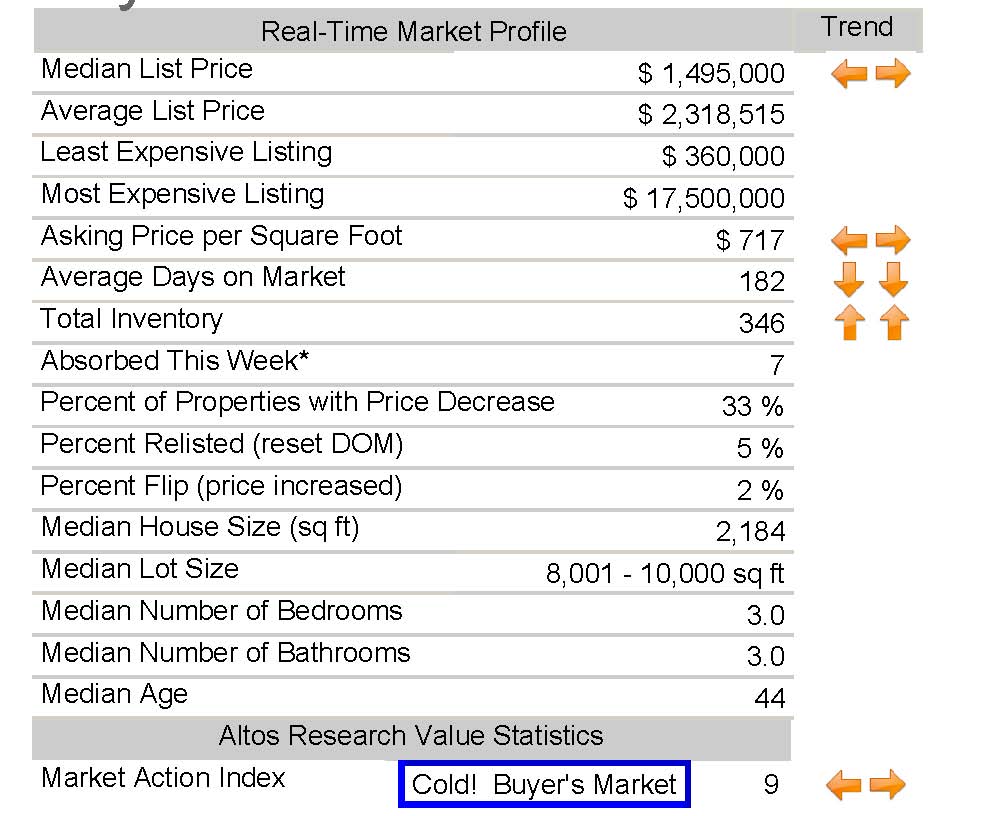
Okay, with your comps analysis in front of you, and given that your price should fall within 10% of those sold listings, let’s take a look at the other factors you need to evaluate in order to tweak your price to perfection.
First, since the majority of buyers begin their property searches online these days, you want to see what they see. With that in mind, head on over to one of the many real estate property value estimators like Zestimate on Zillow.com. The reason you need to look at this is that in every online lisiting, some version of a “Zestimate” price will appear next to your asking price. What that means is that right away, buyers will calculate the difference between what you think your house is worth and what a good real estate web site thinks its worth. No, they’ve never been inside your home and have no idea how much money you’ve put into it, but you need to know this number. While you’re there, also examine what the web site says the for your property are. Yes, some of these numbers will be off, but look at them anyway to get a sense of what you’ll be up against with potential buyers who have seen those numbers.
Expired and Withdrawn Listings Have a Story You Need To Hear
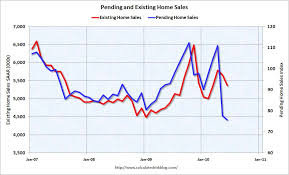
Next, you want to look at pending sales. These are the properties that have accepted offers and have gone to contract, but have yet to close. Real Estate agents will not always give up the sales price on their pending listings, but it never hurts to ask. Look hard at how long each of the pendings was on the market before receiving an acceptable offer and factor that into your pricing strategy as well.
Okay, you’ve got your true comps in hand, you’ve taken a hard look at the expired and withdrawn listings and you also know where other people’s asking prices are, now repeat after me: The only real price is a sold price! What this means is that you still have a lot of factors to consider before arriving at your final asking price and the least of your considerations should be other people’s asking prices. You know, for instance, that every retirement planning guide will factor in the value of your home, but you also know that many people list their homes at unrealistic prices to make up for the short fall in their retirement savings. And, yes, it would be nice to get a year’s private school tuition above the price of your next home, but can you afford to take the losses if your property lingers? So, make up your mind now to set a realistic price for your property based on the facts you have that matter. And chief among those facts is the price that comparable properties sold for.
Expired and Withdrawn Listings Have a Story You Need To Hear
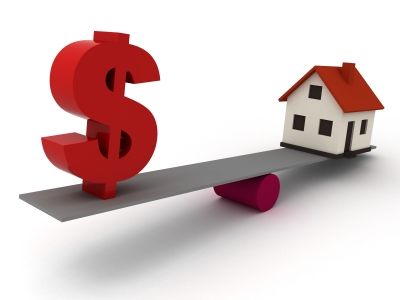 While you’re looking at the sales prices of true comps for your own home, also look at the withdrawn and expired listings in your market. Never make the mistake of saying, “If they’re not on the market, they don’t count,” because expired and withdrawn listings can tell you a lot about what’s real as far as prices are concerned. Do the homes that haven’t sold have any common attributes? Are they all in the same building, for example? Or are they all on a well system instead of city or town water? There are many hidden factors which affect home sales and analyzing the unsold comps in your market can give you many clues to what not to do. Finally, listings that came on the market overpriced will be a huge share of the unsold and expired group, so pay close attention to what those properties do and do not have going for them. Bottom line, the unsolds and expireds failed to bring the buyer and you want to be successful, so learn everything you can from the mistakes made by others.
Next, you want to look at pending sales. These are the properties that have accepted offers and have gone to contract, but have yet to close. Real Estate agents will not always give up the sales price on their pending listings, but it never hurts to ask. Look hard at how long each of the pendings was on the market before receiving an acceptable offer and factor that into your pricing strategy as well.

