No firm stays on top of trends in the city’s rental market better than Citi Habitats. We have the most comprehensive market data available and are the ultimate resource on emerging market trends. We track average rents and vacancy rates across Manhattan giving Citi Habitats independent agents real-time data that helps successfully rent your property. Landlords and clients who list their properties with Citi Habitats also benefit from our expertise in strategic pricing and effective negotiation skills.
Comprehensive Rental Market Analysis
Our monthly and quarterly New York City rental market reports are the most referenced data source in the industry among the leading national and local publications. These reports help us price your apartment, an essential step in our strategic marketing plan.
In 2013, we rented over 10,000 apartments. And in the last three years, we’ve worked with over 40,000 New Yorkers in an attempt to connect them to their homes. These are numbers that no other company can match. We’ve become the market leader by dedicating more resources to the rental market than any other firm out there. We’ve also done this by growing our online presence. With over 1.2 million unique visitors per year, our name has become synonymous with New York real estate.
Localized Know-How Our extensive network of offices is strategically laid out across Manhattan. Each neighborhood office operates as a specialized boutique. You get the best of both worlds: personalized service and attention to detail, coupled with the vast resources and technology of a large organization.
FACT: From 2011-2013 40,000 New Yorkers found homes through Citi Habitats.
FACT: Industry leading website 1.2MM unique visitors per year citihabitats.com
When showcasing your property, or bringing potential buyers/investors to tour it, we ensure your home will stand above the competition. From customized show sheets and industry recognized ability to stage and present your home-our efforts translate into money in your pocket. It’s this approach that has enabled me to sell luxury properties.
I welcome the opportunity to assist you, your family or your friends achieve their full potential in selling, buying or investing in New York. Please do not hesitate to contact me for a complementary consultation. I cab happily provide you up to date pricing information, selling strategies or to answer your questions regarding Manhattan properties.
Have you given consideration to the equity potential of your current home? Due to historically low interest rates coupled with extreme rental prices you are uniquely positioned to capitalize on buyers looking in your building. My name is Cono Natale, and I specialize in Manhattan real estate. I have established a track record of producing results for my sellers. Because my marketing strategies, market expertise and qualified clientele base I will achieve maximum equity on your home sale.
I offer a custom tailored approach to marketing your property by utilizing both traditional outlets with emerging mediums to best meet the demands of an expanding and diversified NY market. I will exploit all forms of media to ensure your property is predominantly featured. This includes notable outlets such as NYTimes.com, Trulia.com Zillow.com and Streeteasy.com- statistically the most searched real estate websites. In addition, my marketing initiatives include both constant and relevant e-newsletters dispersed to my extensive contact base and social media channels.
When showcasing your property, or bringing potential buyers/investors to tour it, we ensure your home will stand above the competition. From customized show sheets and industry recognized ability to stage and present your home-our efforts translate into money in your pocket. It’s this approach that has enabled me to sell luxury properties.
I welcome the opportunity to assist you, your family or your friends achieve their full potential in selling, buying or investing in Manhattan. Please do not hesitate to contact me for a complementary consultation. I can happily provide you up to date pricing information, selling strategies or answers to your questions regarding Manhattan/Brooklyn properties.
Your final price tweak should be to leave some wiggle room for negotiation. No seller wants to feel he left money on the table and no buyer wants to feel they got taken. Leave some wiggle room in your price for negotiation and let everyone walk away from the sale happy.
Along about now, most sellers are trying to figure out how they can pay the least amount of money for the real estate agency commission. While 4% agents are out there, think twice before you choose one over the standard 6%. Discount real estate brokers and agents are very often chains that are not even located in your neighborhood. This can work against you in several ways. For one thing, real estate sales are all about agents who know the neighborhood inside out, backwards, forwards and sideways. They know how to show your property as if they live there—pointing out all of the advantages in the neighborhood—precisely because they do live there. You are not going to get that kind of showing ability from someone whose headquarters is in the Midwest when you’re in New York. Discount brokers can backfire when your potential buyer tries to set up an appointment to see your house as well. What typically happens is that instead of getting a local office number for the agent who is listing it, they get a 1-800 number asking for all of their contact information with a promise that someone will be in touch with them soon. Usually, by the time they get around to figuring out which agent can show you the house, the potential buyer is already in the wind. Then too, the agent you work with is going to take on substantial cost for advertising your property, getting flyers and listing sheets printed, etc. Bottom line then, a 4% agent is going to be subtracting those costs from his commission and is going to withhold essential marketing help accordingly. Think about it. In his or her shoes, you would too, so resolve to pay your agent what they’re worth, because they bring years of expertise and resources to the table that you need.
Real Estate markets, like tennis racquets, have sweet spots. When you look at a list of all the listings in your area, you’ll notice that there are bunches in each price range. One group might be those houses priced between $374,000 -$376,000 range while another is comprised of properties in the $390,000 and up range. What you want to do is position your property in an empty spot between those numbers whenever possible. This is called price-banding.
Since the majority of buyers will come to you through the internet first these days, also consider what price range they will be searching for. You might be thinking that the perfect asking price for your home is $305,000, but you’ll be knocking yourself out of the search results for anyone searching in the $250,000-$300,000 range. Far better then, to price yourself within the “century number” so that buyers will find your property included in their search results. A smarter price, in this instance, would be $299,995.
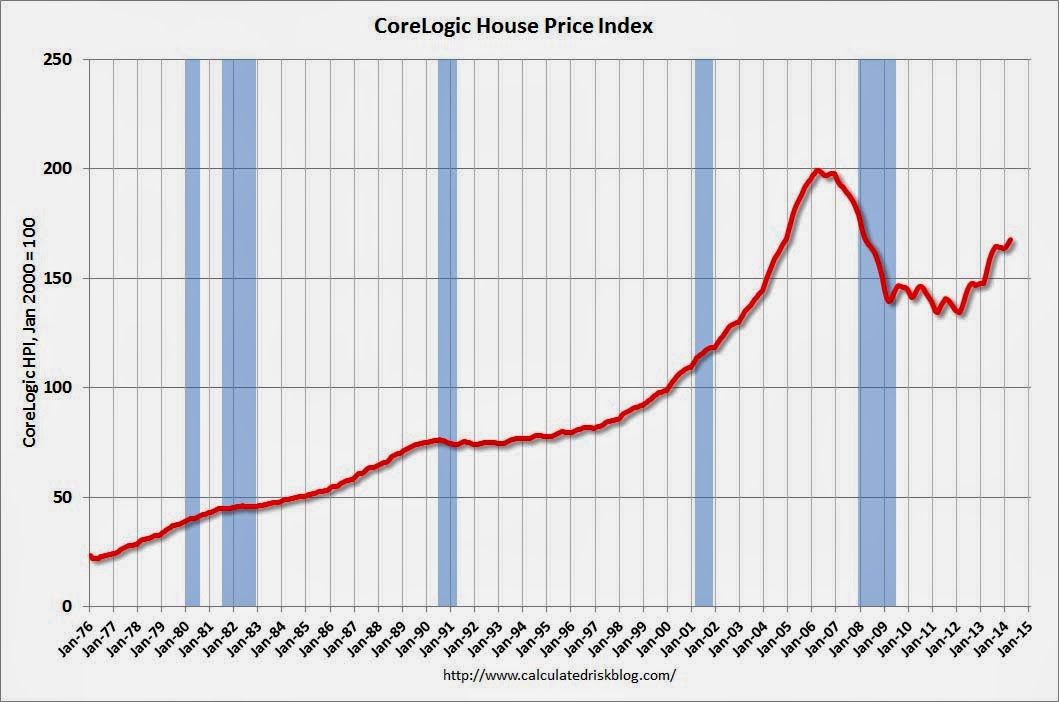
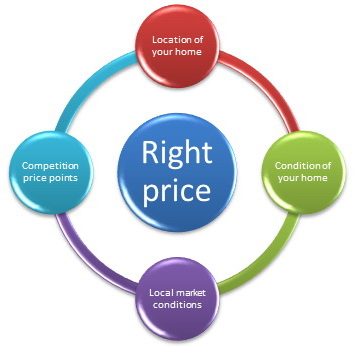
Finally, a neutral market is exactly what you think it is: A market that is more or less balanced in terms of buyers and inventory. The market you’re in when you list your property should be a factor in your pricing strategy. Essentially then, your property has three different prices. One for a buyer’s market, one for a seller’s market and one for a neutral market. All things being equal, with a list of true comps at $150,000, for example, and leaving a little wiggle room for negotiation, in a buyer’s market, you would price it at $149,900, but expect to sell at $145,000, while in a seller’s market you can ask more than the last comparable sale, up to perhaps $165,000. And, in a neutral market, you might want to set your price at the last comparable sale and then adjust for market trends. So, if the median sales price has edged upward at a rate of 1% per month, you’d be justified to ask for $154,500.
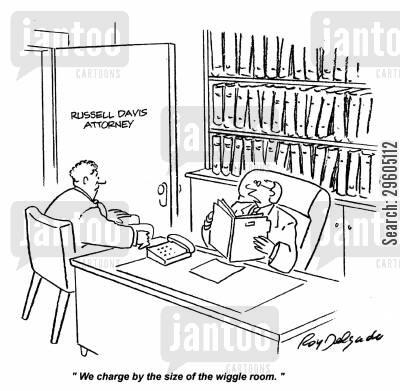 Your final price tweak should be to leave some wiggle room for negotiation. No seller wants to feel he left money on the table and no buyer wants to feel they got taken. Leave some wiggle room in your price for negotiation and let everyone walk away from the sale happy.