
Author: Cono Natale
Thursday comic

The Market You’re Selling Into – Cold, Hot or Neutral? 4 of 4

Finally, a neutral market is exactly what you think it is: A market that is more or less balanced in terms of buyers and inventory. The market you’re in when you list your property should be a factor in your pricing strategy. Essentially then, your property has three different prices. One for a buyer’s market, one for a seller’s market and one for a neutral market. All things being equal, with a list of true comps at $150,000, for example, and leaving a little wiggle room for negotiation, in a buyer’s market, you would price it at $149,900, but expect to sell at $145,000, while in a seller’s market you can ask more than the last comparable sale, up to perhaps $165,000. And, in a neutral market, you might want to set your price at the last comparable sale and then adjust for market trends. So, if the median sales price has edged upward at a rate of 1% per month, you’d be justified to ask for $154,500.
The Market You’re Selling Into – Cold, Hot or Neutral? 3 of 4

A Seller’s Market, on the other hand, (and may you be so lucky!) is one in which:
Demand is higher;
Less than six months inventory is currently on the market;
Median sales prices are increasing;
Shorter list times;
Multiple offers;
More buyers are purchasing
Thursday comic

The Market You’re Selling Into – Cold, Hot or Neutral? 2 of 4
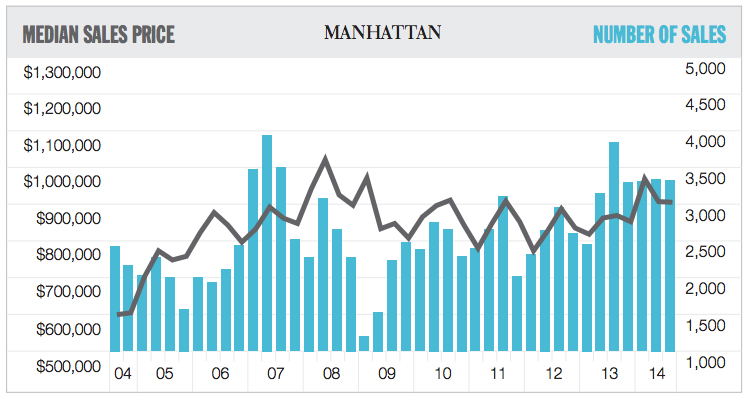
Basically, a Buyer’s Market is one in which:
Demand is lower;
Inventory is higher;
Longer list times;
Fewer offers;
Price reductions;
More than six months of inventory is on the market (more about this in a moment);
Fewer buyers are purchasing
To calculate inventory accurately, use the following formula: Find the total number of active listings in your market last month. Then find the total of closed and sold transactions from last month. Divide the number of total listings by the number of total sales, which results in the number of months of inventory currently available in your market.
Thursday comic

The Market You’re Selling Into – Cold, Hot or Neutral? 1 of 4
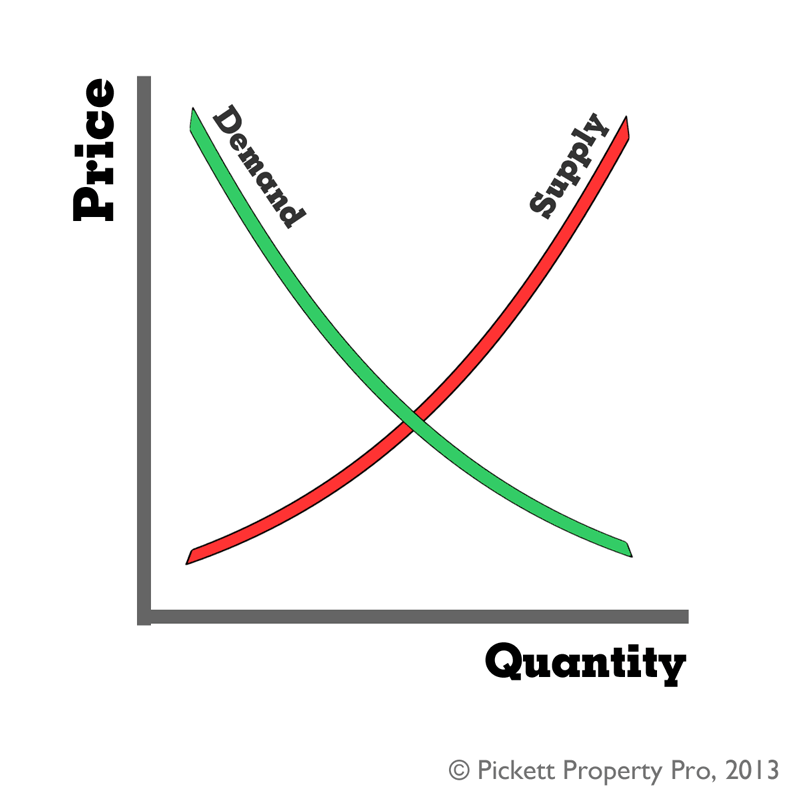
The real estate market, like every other financial market, is strictly governed by the laws of supply and demand. Less inventory and more buyers make for faster sales, while more inventory and fewer buyers make for slower sales. When you’re selling your home, external factors often count as much as the physical property itself. What follows are some other considerations to factor into your ideal price:
Are you in a buyer’s market, a seller’s market or a neutral market?
What time of year is it?
What kind of real estate inventory is out there already?
What are interest rates doing?
First, the differences between buyer’s, seller’s and neutral markets are very clearly defined.
Thursday comic

Location: 3 of 3

 Cono N. Natale