What’s New:

Find a Real Estate Agent Who Knows Your Hood

Knowing how to evaluate your precise real estate position is also a job for pros, so now is the time to call in a real estate agent to have a thorough CMA (Comparative Market Analysis) performed on your existing property so you know where you stand if you do decide to sell. But before you call the agent you’ve been with since she rented you that cute studio in SoHo after college, consider what you need in any real estate agent you work with now. Loyalty is great, but as any New Yorker knows, prices and an entire host of other variables, vary considerably from neighborhood to neighborhood when it comes to choosing the right agent now. First and foremost, you want a real estate agent with proven expertise in property valuation to perform your CMA. One of the cardinal rules for Real Estate agents is, “Know your neighborhood.” Cold. Backwards, forwards, inside out. This is a critical requirement when choosing an agent to perform your CMA. You want an agent who can bring the buyers if you do ultimately decide to sell and you also want an agent who can readily show your property and not have to schlep up from the Lower East Side to do it.
Still Undecided?
 One factor which is sure to be a major consideration in your decision is, of course, which path is the most financially sound one for you now and going forward. Just because you’re underwater, don’t immediately rule out a move. Thanks to recent market upswings, you may now have far more equity in your home than you know. The combination of historically low interest rates and a hot market for all city apartments may mean that moving could be the smarter choice. And, remember, while market factors play a considerable role in making this decision, ultimately chasing the market should come in second to make the right decision for you an your family now.

Zoning Rooms
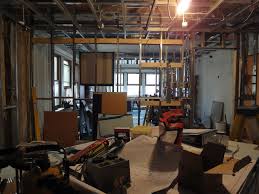
Another consideration which may not occur to you is that most buildings are planned to take advantage of the maximum number of “zoning rooms” allowed by law. What that means is that if your renovation plans include carving out an extra room, you may actually be taking your entire building above the maximum number of rooms allowed by law. Co-ops do have ways of getting around this by inter-borrowing space. For example, if someone else renovated, turning two rooms into one, your building picks up that extra room for the building’s overall zoning room total and that extra room could be granted to you or another shareholder looking to add a room. Too often, a co-op owner with a studio decides to put up a partition, turning their apartment into a one bedroom. They think, “It’s a tiny change. Whose to know or care?” But thanks to the rules about “zoning rooms,” once again you may be taking your entire building over the limit. Worse still, even if you don’t get caught out initially, that extra wall will come boomeranging back to you when you find that rather than owning a saleable studio co-op, you now have an illegal one bedroom that no one will ever touch. And local fire departments also have ordinances against illegal partitions because they may change the ability for someone to escape from a fire.
Your Architect:

If you really feel you’re commitment to your building is your #1 priority, then you will usually need to make some compromises in your renovation plan. The only way to determine what’s truly possible, is to hire an architect to help you figure it out. And you will require fully executed architectural plans to gain approval from your co-op board.
Maybe you want a huge kitchen renovation that involves removing a wall. Or you simply have to have a Jacuzzi in the bath reno you’re envisioning. This is definitely one time when what looks like it would work on paper to you, will be put down in five seconds flat by a trained architect. He or she will know whether that wall you’re planning to remove is actually a bearing wall, in which case, removing it could destabilize not only your own dwelling, but have a disastrous impact on the co-ops above and below you as well. And, in many buildings that Jacuzzi may already be prohibited, because the sound of rushing water could interfere with your neighbor’s sleep.
Think you can fly solo?

Many co-op owners at the co-op board approval stage say to themselves, “Well, then we’ll just do what we want to do without the co-op board’s approval.” But don’t even go there. Some buildings, in fact, will only grant work men access to the building when the co-op board notifies them that a signed alteration agreement is in place. If you go it alone then, you could find that your contractors show up for work, only to be bounced right back out that elegant revolving door. Then again, even if what you’re going for is small, the second there’s plaster dust on the hall carpeting, or your neighbors hear a circular saw, both you and your renovation could be toast.
Insurance, Bonding, and Renovation Security Deposits:
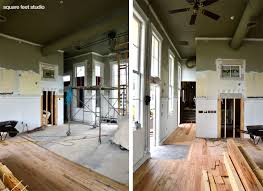
For all of the reasons above and a few more besides, your building will likely make you put down a substantial security deposit before you begin your renovation. They will also require you to purchase insurance sufficient to cover any renovation damage. And, in some cases, they may also require a bond. Should you not pay your contractors, architect or others involved in your renovation, your co-op board will almost always have a clause in your alteration agreement requiring you to remove any mechanic’s liens placed against the property.
Since you will be held liable for any damages your renovation causes to either the building itself or other shareholder’s apartments, your insurance carrier will likely require complete documentation of all areas of your building and other resident’s apartments likely to be affected by your renovation to avoid paying for damages that were not yours. Your insurer, for instance, does not want to pay for a crack in the wall of your next door neighbor’s apartment if, in fact, the crack was already there before your work even began. This will likely involve having a representative from your insurance company enter, photograph and document your neighbor’s apartments and belongings, which, let’s face it, is not likely to earn you warm, fuzzy feelings from your neighbors.
Thursday Comic

Check Your Dream Against Reality, Then Check Again
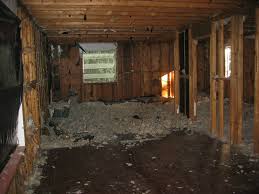
As every co-op owner knows, in order to undertake a renovation, you need to sign an alteration agreement with your co-op board. Basically, the alteration agreement is a contract between you as the shareholder and the co-op which ensures that your renovation will not damage either your building or your neighbor’s apartments and which spells out the rules and regulations. While some of this is negotiable–and you will definitely need a sharp attorney for this stage–much of it is not. Another reason you will require a good attorney before you sign the agreement, is to check for hidden problems. Since you will need an Amended Certificate of Occupancy from the Building Department for instance, a good attorney will check to ascertain whether your building has any open issues with the Building Department which might considerably slow down your ability to get it.
Alterations can affect the building’s heating and plumbing systems, damage property in other units (which you will be responsible to repair and/or replace) and your co-op will want to protect themselves against this. Your co-op board will review your architect’s drawings and once the board approves your plan, your renovation plan will be “fixed” with no other alterations allowed. If you get tempted to make some last minute changes down the road, remember that the co-op board will be sending in an inspector once you’re done to ensure that the plan they originally approved has not been exceeded in any way. City buildings, and those engaged in renovations, also must comply with Local Law 58, which mandates that no renovation within an elevator building or above the first floor in a walk-up can interfere with access for the disabled. And Murphy’s Law being what it is, you know there are always going to be those moments when one of your contractors yells, “Uh oh!” having just discovered an unanticipated problem which will necessitate further negotiations with the co-op board before anything can go forward. If you reside in a pre-war or other older building, that could mean that you’re soon engaged in an unending game of “Forward, Halt, Forward, Halt.”
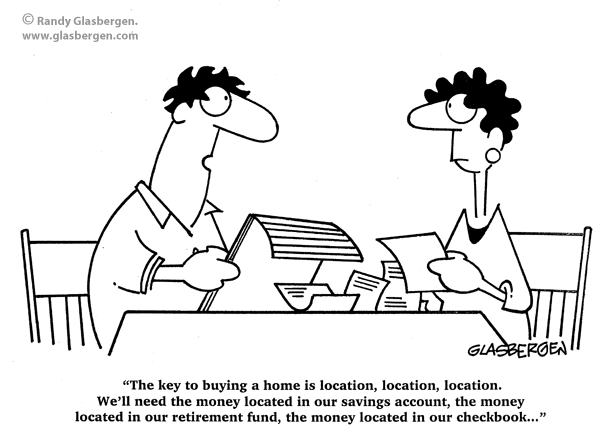
Thursday Comic
 Cono N. Natale