 Visit Georgi at his Gallery: Ditra Gallery 226 E. 83rd Street to lazy, then visit his website http://www.dimovart.com
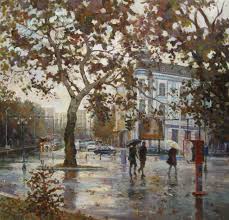 Visit Georgi at his Gallery: Ditra Gallery 226 E. 83rd Street to lazy, then visit his website http://www.dimovart.com
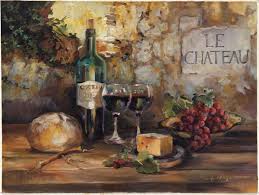 “I find it hard to categorize my work,” Marilyn admits. Her brush strokes vary from loose and playful to concise. Reminiscent of her major artistic influences, Claude Monet and Mary Cassatt, Marilyn’s florals are as representational as they are impressionistic.
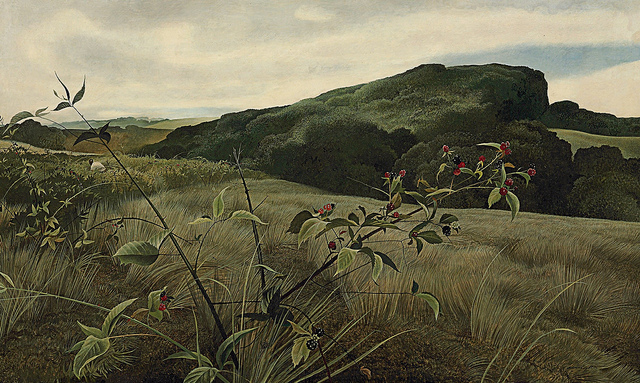 In his art, Wyeth’s favorite subjects were the land and people around him, both in his hometown of Chadds Ford, Pennsylvania, and at his summer home in Cushing, Maine. Wyeth often noted: “I paint my life.” One of the best-known images in 20th-century American art is his painting Christina’s World, currently in the collection of the Museum of Modern Art inNew York City. This tempera was painted in 1948, when Wyeth was 31 years old.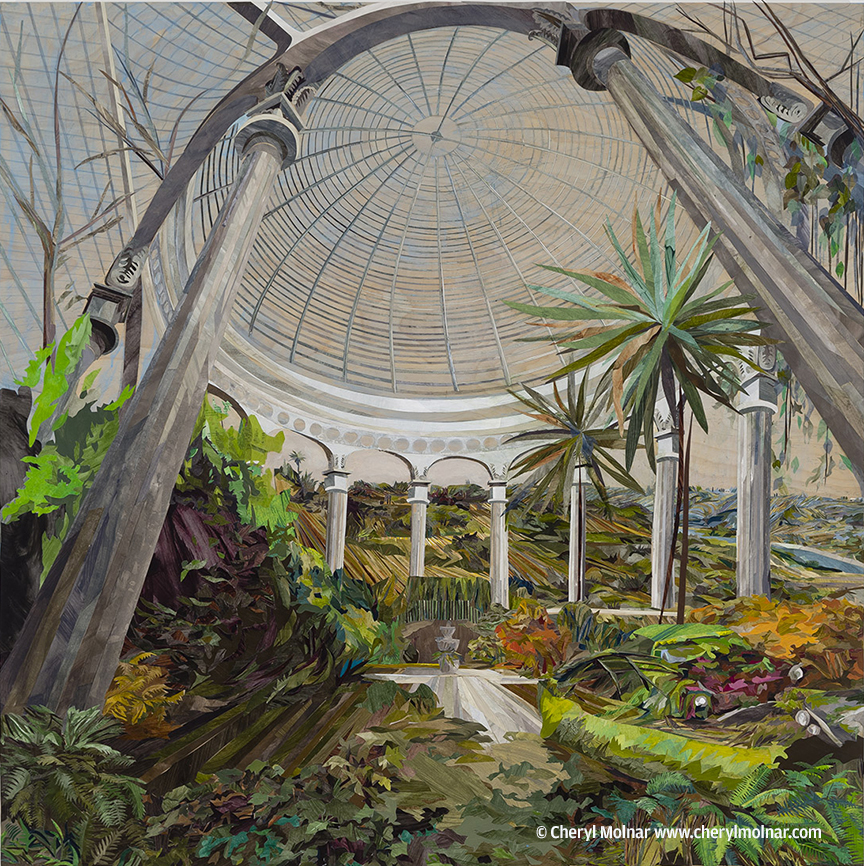
artwork by Cheryl Molnar
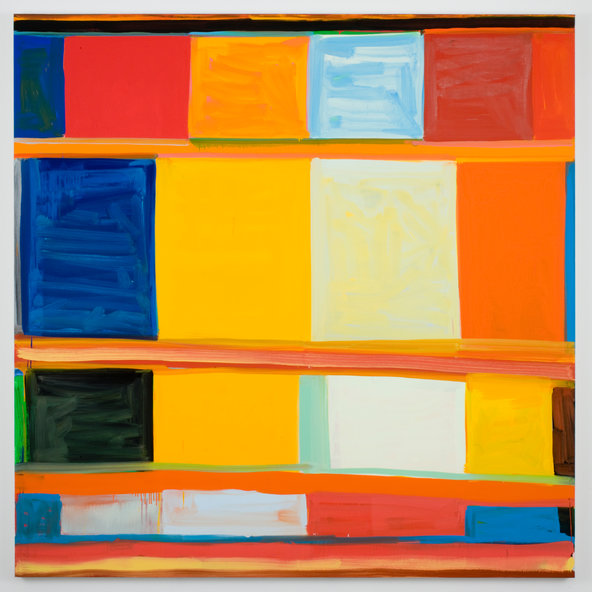
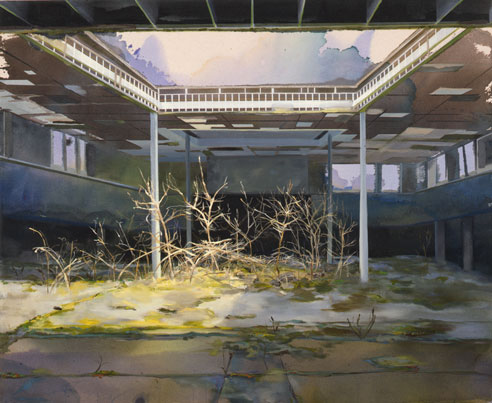 Angelina Gualdoni: This Brooklyn-based painter focuses on modern ruins, giving an uneasy grace to housing projects, neglected parking garages, and decaying corporate high-rises. Angelina’s clearly on-the-rise: She’s part of an upcoming group show at Chelsea’s prestigious Mixed greens Gallery.

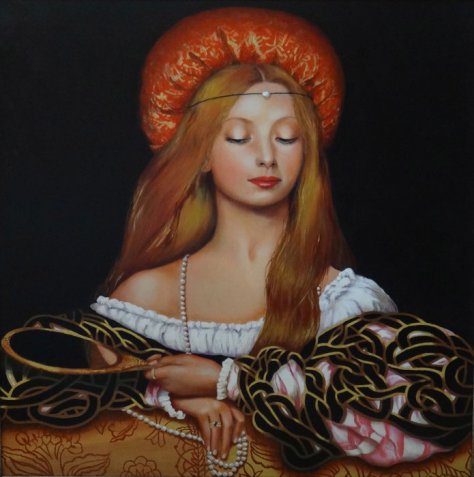 After accomplishing the renaissance and using these techniques as a foundation, I have expanded into numerous art forms. New works seem to emerge monthly. This summer my art is an explosion of accents of single color applied strategically to human body parts. They rivet the viewer to experience color shock like a contemporary painting might do. All original creations and unique framing make these one-of-a-kind pieces an investment for your growing art collection.
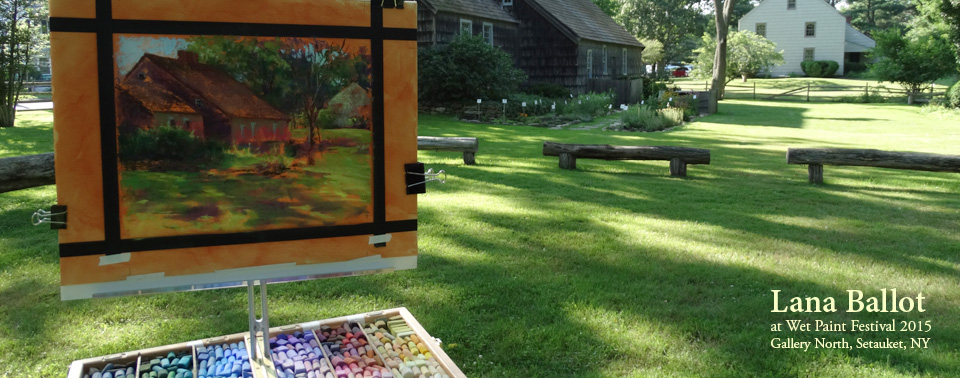 Lana Ballot
 Cono N. Natale